
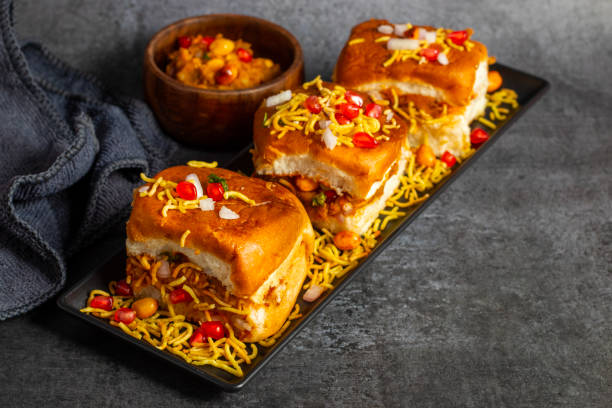
The popular street dish dabeli comes from Gujarat, India’s Kutch area. Known for its distinct combination of sour, spicy, and sweet tastes, this snack has become very famous all throughout the nation. Dabeli, which is often characterized as a spicy potato filling that is served within a bun and topped with peanuts, sev, and pomegranate seeds, delivers the ideal balance of flavors and textures. The tastes of the original street cuisine must be replicated by carefully balancing spices and ingredients while making real dabeli at home.
Components of Genuine Dabeli
Boiled potatoes, distinctive dabeli masala, tamarind and date chutney, fresh pomegranate seeds, roasted peanuts, and sev (crunchy gram flour noodles) are the main ingredients of dabeli. Its particular flavor comes from a special combination of spices used to cook the potato stuffing. The perfect pav or bun is one that is both soft and strong enough to support the filling. Achieving the genuine taste depends heavily on the freshness of the components, particularly the chutneys and garnishes.
Making the Masala Dabeli
The unique spice blend known as dabeli masala distinguishes this meal. Typically, it contains components like cardamom, cloves, cinnamon, red chili powder, dried mango powder, cumin seeds, and coriander seeds. After being dry-roasted, these spices are crushed into a fine powder. To give the mashed potatoes their distinctive flavor and scent, this masala is added. Although many places offer premade dabeli masala, you may adjust the amount of spice by creating it at yourself.
Preparing the Filling for Potatoes
First, boil the potatoes until they are tender, then mash them well. Add curry leaves, cumin seeds, and mustard seeds to a skillet with hot oil. Add chopped onions and sauté until transparent after they start to sputter. To balance the tastes, add the mashed potatoes, dabeli masala, salt, and a little amount of sugar. To keep the mixture from sticking, cook it over low heat while stirring constantly. At this point, tamarind-date chutney is added to give the filling a burst of sweetness and tang. For the potato mixture to be easily stuffed into the buns, it should be wet but not runny.
Getting the Chutneys Ready
To make dabeli genuine, chutneys are necessary. The sweet and tangy basis is provided by tamarind-date chutney, while the freshness and spice are added by green chutney, which is created with coriander, mint, green chilies, and lemon juice. For an additional taste boost, you may also add a garlic chutney. It’s important to balance the chutneys so that no one taste overpowers the others. Store-bought chutneys never taste as good as freshly made ones, and they also improve the dabeli’s overall quality.
Putting the Dabeli together
Make a pocket for the filling by slicing the pav horizontally without cutting all the way through. On a hot griddle, lightly toast the pav with butter to warm the bread and provide a crispy crust. Stuff the pav full of the potato filling after spreading a layer of tamarind-date chutney inside. For freshness, add a teaspoon of green chutney. For crisp and sweet bursts, garnish with sev, toasted peanuts, and fresh pomegranate seeds. Lastly, add chopped fresh coriander leaves for color and fragrance.
Serving Recommendations
The finest way to serve dabeli is hot, just out of the pan. It goes well with sweet lassi or a cup of masala chai. Some merchants add additional tanginess by squeezing lemon juice on top to improve the experience. Dabeli is a multipurpose snack that goes well with tea time or informal get-togethers because of its blend of spicy, sweet, crunchy, and acidic flavors. Although it is often consumed as a street food treat, it is simple to prepare for family and friends in the kitchen at home.
How to Get the Most Out of Your Dabeli
Using fresh ingredients is crucial to true flavor. To keep the pav from becoming soggy, don’t overburden it. The essence of dabeli is defined by the precise balancing of the chutneys’ sweetness and spice. Butter toasting gives the pav a delicious crisp that contrasts with the soft interior. Try different amounts of peanuts and sev to see what works best for you. Finally, to really appreciate the textural differences, serve right away after assembling.
In conclusion
Enjoying one of Gujarat’s famous street delicacies whenever you want is possible when you make real dabeli at home, which is a fulfilling experience. You can make a delectable dabeli that perfectly embodies the original by refining the chutneys, preparing the potato filling, and meticulously arranging the components. Dabeli’s combination of tastes and textures makes it an enticing treat for all foodies, whether they eat it as a light meal or as a snack.