Pasta is a cultural symbol that embodies centuries of culinary talent and tradition, making it more than simply a basic cuisine. Pasta, which originated in Italy but has now spread around the globe, is a favorite with foodies everywhere because it is simple and adaptable. Pasta-making has evolved from simple origins to fine dining settings, combining exact technique with artistic flare. Examining the art of pasta-making provides insight into regional variation, history, and the sensory delights of each mouthful.
Regional Variability and Historical Foundations
Pasta’s history spans more than a millennium, with the first recorded mentions being in medieval Italy. Pasta’s development is strongly linked to Italy’s topography and farming methods, even if its precise beginnings are still up for discussion. Depending on the resources and cultural influences available, several locations created their own pasta forms and recipes. For example, Southern Italy is known for durum wheat semolina pastas like spaghetti and penne, whereas Northern Italy prefers egg-based pastas like tagliatelle and pappardelle. This geographical variation demonstrates how local resources and tradition influence culinary identity.
Ingredients: The Ultimate in Simplicity
A few basic ingredients—flour, eggs, water, and sometimes salt or olive oil—are essential to produce pasta. Selecting the right flour is essential; durum wheat semolina flour is valued for its high protein content and gritty texture, which give pasta its distinctive bite. For fresh pasta types, egg-based doughs are preferred because they provide a richer, more sensitive feel. The purity of these components, when paired with talent and attention to detail, create a product that is both modest and magnificent, which is what makes pasta so beautiful.
The Process of Making Dough
Making the ideal pasta dough involves striking a balance between time, skill, and intuition. Pasta dough is traditionally prepared by putting flour on a surface, making a well in the middle, and then manually adding eggs and water little by little. The gluten that gives pasta its strength and flexibility is developed by vigorously kneading the mixture. After that, the dough is let to rest so that the gluten may relax and the flour can hydrate, which will facilitate rolling out. Finding the ideal consistency—firm yet pliable—is crucial and often requires practice.
Rolling and Shaping: The Motion of Craftsmanship
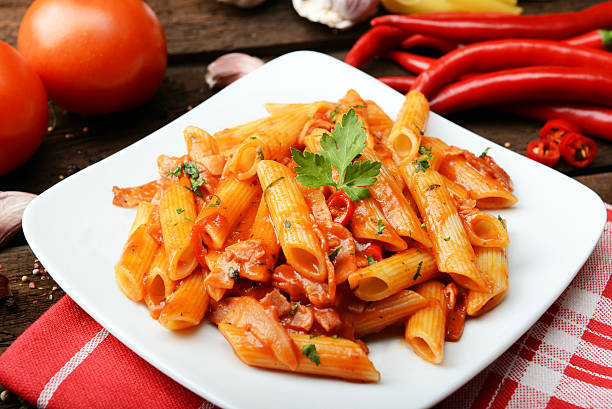
The dough is molded by hand into different shapes or rolled out into thin sheets once it has rested. While contemporary chefs may utilize pasta machines for precision and speed, traditional Italian kitchens still use wooden boards or rolling pins. Every pasta form has a specific function; they are made to retain sauces in certain ways or go well with certain foods. For instance, thin spaghetti strands do well with mild tomato-based sauces, whereas ridged penne absorbs thick sauces. Shapes like ravioli and tortellini demonstrate how pasta and fillings may be combined to create intricate, multi-layered dishes.
Cooking Methods and Schedule
Pasta cooking may seem simple, but getting the time and technique right is essential to getting the ideal texture. Usually, pasta is cooked in salted water until it is al dente, or bite-tender yet firm. Pasta that is overcooked becomes mushy and loses its ability to retain sauces, while pasta that is undercooked becomes tough and disagreeable. Compared to dried spaghetti, fresh pasta cooks more quickly—often in a matter of minutes. Pasta that has been properly drained and immediately tossed with sauce will not stick and will be tasty and cohesive.
Pasta Complementing Sauces
A key component of Italian cooking is the interaction between pasta and sauce. Sauces may be as basic as aglio e olio (garlic and oil) or as complicated as Alfredo or thick ragù. In order to achieve balance and harmony, the technique of matching pasta shapes with the right sauces has been honed over many generations. Light, silky sauces work well with thin pasta strands, whereas heavier sauces stick to tubular or ridged pasta better. Pasta’s culinary horizons are expanded by chefs experimenting with creative sauces that showcase regional ingredients or modern palates, going beyond conventional recipes.
Social Rituals and Their Cultural Significance
Pasta-making and sharing are often group activities that foster social cohesion and family traditions. Pasta-making is a skill that has been handed down through the years in many Italian homes, with younger family members receiving recipes and methods from their elders. Handmade pasta is a common centerpiece at festivals, holidays, and other special events, signifying friendliness, warmth, and ethnic pride. Pasta-making together promotes celebration, storytelling, and connection—an event that goes beyond the plate.
A Look at Nutrition and Health
Pasta may be included in a healthy, balanced diet, despite the fact that it is often linked to excess. Pastas made from whole grains and legumes provide more protein and fiber than regular wheat pasta, making them healthier options. Pasta’s healthfulness is influenced by portion management and the combination of veggies, lean meats, and healthy fats. Pasta’s adaptability allows it to accommodate a variety of dietary needs and preferences, including vegan and gluten-free varieties, making it suitable for a wide range of lifestyles.
Contemporary Developments and Worldwide Impact
Despite its historical roots, pasta-making is still changing to reflect contemporary culinary trends and technological advancements. To maintain texture and taste, artisanal pasta producers use a combination of age-old techniques and modern advancements like vacuum drying. Pasta has also been adopted by global fusion cuisine, which combines Asian, Latin American, and other ingredients and tastes with Italian cooking methods. Pasta’s appeal is increased by this inventive cross-pollination, which exposes a global audience to novel textures, flavors, and presentations.
In conclusion, pasta is a culinary adventure that never ends.
Pasta-making is an art form that celebrates flavor, craftsmanship, and tradition. It is a gastronomic adventure that bridges the past and present by fusing basic ingredients with expert preparation to produce delicacies that uplift the spirit and stimulate the senses. Pasta is still a timeless representation of culture, community, and inventiveness, whether it is cooked by hand in a little Italian town or in a contemporary kitchen located halfway across the globe. Everyone is invited to participate in this rich tradition and enjoy the many opportunities that come with learning how to make pasta.