
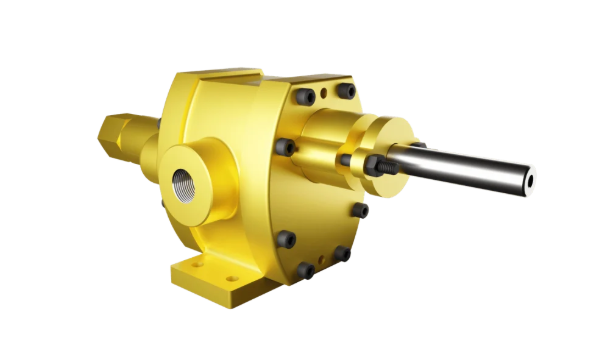
Positive displacement pumps are often selected for applications that require controlled and consistent movement of liquids. However, even a well-designed pumping system can experience declining performance as operating hours increase. Changes in flow rate, pressure, temperature, fluid condition and component wear can gradually affect pumping efficiency. Identifying the causes early is important because a reduction in performance may increase energy consumption, affect downstream processes and lead to unexpected maintenance. Understanding how operating conditions influence pump components can help plant operators establish suitable inspection routines and address developing problems before they result in major process interruptions.
Mechanical Wear and Internal Clearances
A rotary gear pump depends on the controlled movement of meshing gears to transfer fluid from the inlet to the discharge side. The gears and internal surfaces operate with carefully controlled clearances. As these components wear, the internal gap can increase and allow more liquid to move backwards from the high-pressure side towards the inlet.
Gear and Surface Wear
Continuous operation can gradually affect gear teeth, shafts, bearings and internal surfaces. Abrasive particles can accelerate this process by creating scratches or removing material from contact areas. Once internal clearances become excessive, the pump may continue operating but deliver less flow at the same operating conditions. The resulting reduction may become more noticeable as discharge pressure increases. Lubricating properties of the process fluid can also influence component life. Fluids with insufficient lubricity may increase friction and wear, while unsuitable lubrication conditions can affect bearings and other mechanical components.
Bearing and Shaft Condition
Bearings support rotating components and help maintain the alignment of the gears. Excessive bearing wear can allow movement within the assembly, affecting gear engagement and internal clearances. Shaft wear or misalignment can create additional mechanical loading. In severe conditions, this may contribute to vibration, noise and premature component failure. Regular inspection can help identify these conditions before they develop into more extensive mechanical damage.
Fluid Conditions and Contamination
The characteristics of the pumped liquid have a major influence on long-term performance. Viscosity, temperature, chemical composition and the presence of contaminants can all affect how the pump operates.
Abrasive Particles and Contamination
Solid particles entering the pump can cause accelerated wear of gears, bearings and internal surfaces. Even relatively small quantities can become problematic when the pump operates continuously. Corrosion test coupons can help monitor material degradation and identify corrosion-related risks within the chemical handling system, supporting timely maintenance and component selection.
Contamination can also interfere with valves, filters and connected process equipment. A suitable filtration arrangement may be required where the process fluid contains unwanted particles. Corrosion test coupons can provide useful information in systems where corrosion is a concern. They are exposed to the process environment for a defined period to assess corrosion behaviour and support decisions about material selection and treatment strategies.
Changes in Viscosity and Temperature
Viscosity directly affects the way liquid moves through a gear pump. A highly viscous fluid can increase resistance and require greater driving power, while a significant reduction in viscosity can increase internal leakage through the clearances.
Temperature changes can alter viscosity and may also affect the dimensional relationship between internal components. If the process operates across a wide temperature range, the pump should be evaluated under the full expected operating conditions.
Pressure, Installation and Maintenance Issues
A pump’s performance can decline even when the mechanical components are in reasonable condition if the surrounding system creates unsuitable operating conditions. Suction restrictions, excessive discharge pressure and incorrect piping can all influence the delivered flow.
Suction and Discharge Conditions
The suction line should provide adequate liquid supply without unnecessary restrictions. An undersized pipe, blocked strainer, or excessive number of fittings can increase suction resistance. On the discharge side, excessive pressure can increase the load on the pump and accelerate wear. The system should therefore be checked for blocked filters, closed valves and other restrictions that may create abnormal pressure. A rotary gear pump should be selected and operated within its intended pressure and flow range. Running continuously outside these conditions can shorten component life and reduce efficiency.
Maintenance and Lubrication
Routine maintenance helps identify gradual performance changes before they become serious. Inspection should consider gears, bearings, shafts, seals and other components exposed to mechanical or chemical stress. Lubrication requirements depend on the pump design and application. Where external lubrication is required, the correct lubricant and maintenance interval should be followed. Contaminated or unsuitable lubrication can contribute to bearing and shaft problems. In corrosive process environments, corrosion test coupons can support equipment monitoring by providing information about the corrosive conditions experienced by materials within the system. This can help engineers review maintenance requirements and material suitability.
Diagnosing a Drop in Pump Performance
A decline in output should not automatically be attributed to pump wear. The complete system should be checked because several external factors can produce similar symptoms.
A useful assessment can include:
- Comparing current flow with previous operating data
- Checking suction pressure
- Checking discharge pressure
- Inspecting strainers and filters
- Reviewing fluid viscosity and temperature
- Checking for unusual vibration or noise
- Inspecting seals and connections
- Reviewing maintenance records
- Checking for internal wear where necessary
If the pump delivers less flow while pressure conditions remain unchanged, internal leakage caused by increased clearances may be a possible cause. If performance changes suddenly, a blocked line, damaged component or change in process conditions may require immediate investigation.
For corrosion-sensitive applications, corrosion coupons can complement other monitoring methods by indicating whether the process environment is becoming more aggressive over time. This information can help engineers assess whether material selection, chemical treatment or operating conditions require review. A structured troubleshooting approach helps prevent unnecessary component replacement and can identify whether the cause originates inside the pump or elsewhere in the process system.
Conclusion
Declining pump performance can result from mechanical wear, increased internal clearances, abrasive contamination, changing fluid properties, excessive pressure or unsuitable installation conditions. Regular inspection and monitoring can help identify these issues before they lead to major failures or prolonged downtime. Reviewing suction and discharge conditions is equally important because external restrictions can produce symptoms similar to internal pump wear. For corrosive applications, monitoring the process environment can provide additional information for maintenance and material decisions. NND OIL & GAS can support industrial pumping requirements with engineered equipment and application-focused solutions designed around specific process conditions.