
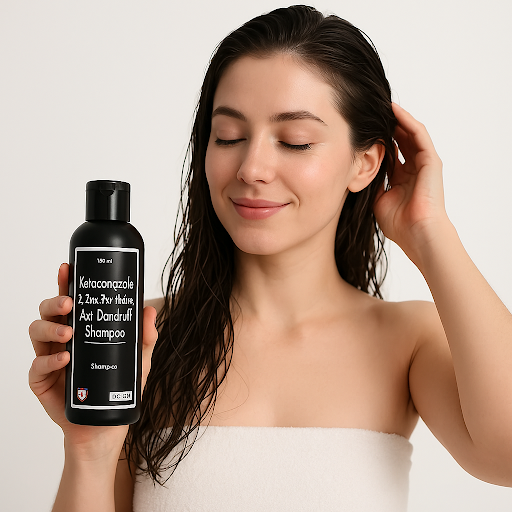
A medicated hair care product called ketoconazole shampoo is mostly used to treat fungal infections of the scalp. Ketoconazole, an antifungal medication, efficiently addresses the underlying cause of diseases including seborrheic dermatitis, dandruff, and certain forms of scalp psoriasis. It is readily accessible to those looking for treatment from chronic scalp problems since it comes in both prescription-strength and over-the-counter versions. This shampoo has additional advantages for the general health of the scalp and the look of hair in addition to its antifungal qualities.
Comprehending the Ingredient Ketoconazole
The synthetic antifungal drug ketoconazole is a member of the azole drug class. It functions by preventing ergosterol, a crucial component of fungal cell membranes, from being synthesized. Ketoconazole stops the development of fungus by interfering with this mechanism, which ultimately results in their eradication. It may directly treat the afflicted regions without causing major systemic absorption when applied topically to the scalp and hair in the form of shampoo. It is a safe and efficient choice for the long-term treatment of scalp diseases because of its focused approach.
The main use for ketoconazole shampoo
Ketoconazole shampoo is most often used to treat dandruff, a disorder that causes the scalp to flake, itch, and become irritated. Malassezia is a yeast-like fungus that feeds on the natural oils of the scalp and is responsible for a large number of dandruff cases. By successfully lowering the amount of this fungus, ketoconazole relieves the symptoms of dandruff. Seborrheic dermatitis, a more severe kind of dandruff that results in scaly areas, redness, and irritation, is also treated with it.
Ketoconazole shampoo may be recommended for tinea capitis, a fungal infection of the scalp that is more frequent in youngsters, in addition to dandruff and seborrheic dermatitis. When a fungal component is detected, dermatologists may also suggest it as part of the treatment plan for folliculitis or psoriasis. Because of its adaptability, it is a popular option for a variety of scalp problems that conventional shampoos are unable to address.
Reduced Inflammation and Calming Impacts
Ketoconazole has anti-inflammatory qualities as well as its well-known antifungal effect. After a few applications, many people report less redness, irritation, and itching. It is appropriate for those with sensitive scalps who experience persistent itching or irritation because of its calming properties. In addition to eliminating fungal infections, the shampoo aids in the skin barrier’s recovery, creating a more pleasant and healthy scalp environment.
Efficiency in the Treatment of Hair Loss
Ketoconazole shampoo may help treat certain forms of hair loss, including androgenetic alopecia or pattern baldness, according to new study and anecdotal evidence. It is believed to support other hair loss treatments by lowering scalp irritation and managing fungal overgrowth, which may worsen hair shedding, even though it is not a main therapy for hair regeneration. Although additional research is required to establish these results, some people think that the anti-inflammatory qualities of ketoconazole may help reduce the shrinkage of hair follicles brought on by hormone imbalances.
How to Apply Shampoo with Ketoconazole Correctly
To have the intended effects, ketoconazole shampoo must be used correctly. Before giving the scalp a thorough rinse, the shampoo should be administered and kept on for a few minutes, usually three to five. This makes it possible for the active component to enter the scalp and function efficiently. The majority of treatment programs advise using the shampoo twice a week for two to four weeks, after which it should be used once a week or as directed by a healthcare professional.
It’s crucial to avoid using the product excessively since this might cause irritation or dryness of the scalp. Additionally, users should keep their hands away from their eyes and mucous membranes, and if they do accidentally come into touch with it, they should immediately rinse with water. Ketoconazole shampoo works best when used in combination with mild, non-medicated shampoos to keep the scalp balanced.
Possible Adverse Reactions and Safety Measures
Although ketoconazole shampoo is usually well tolerated, minor side effects are possible for some people. Dryness, itching, or a burning feeling at the application site are a few examples. Rarely, during the early phases of therapy, there may be a small losing of hair or a temporary alteration in the texture of the hair. Usually temporary, these symptoms go away as the scalp adapts.
The medicine should not be used by those who are known to be allergic to ketoconazole or other azole antifungals. Stop using the shampoo and seek medical help if you get extreme irritation, redness, or swelling. Although there is little chance of systemic absorption when the shampoo is applied topically, pregnant or nursing women should speak with their doctor before using it.
Making the Correct Formulation Choice
There are several strengths of ketoconazole shampoos, usually 1% for over-the-counter usage and 2% for prescription use. For mild to severe dandruff, the 1% formulation is adequate and may be used as a prophylactic. More powerful, the 2% version is suggested for severe or chronic diseases that don’t improve with conventional therapy. To improve exfoliating and antibacterial activity and provide wider scalp advantages, several formulations mix ketoconazole with other chemicals like salicylic acid or zinc pyrithione.
Combining Other Hair Care Products
With little disturbance, ketoconazole shampoo may be used into a more extensive hair care regimen. It is beneficial to apply a hydrating conditioner after using medicated shampoos since they might sometimes be drying. To enhance the likelihood of scalp irritation, avoid using harsh style products or other medicated treatments on the same day. Many customers discover that their scalp health greatly improves with regular usage, which eventually reduces the need for intense treatments.
Shelf Life and Storage
Ketoconazole shampoo should be kept out of direct sunlight and in a cool, dry environment, much like the majority of topical drugs. After every use, the bottle should be properly shut to avoid infection. Because the active ingredient’s potency might wane with time, it is best to verify the expiry date before using. The product will stay stable and effective for the duration of its shelf life if it is stored properly.
In conclusion
For a variety of scalp disorders, especially those brought on by fungus infections, ketoconazole shampoo is a dependable and efficient therapy. It is a multipurpose remedy for seborrheic dermatitis, dandruff, and associated conditions because of its antifungal and anti-inflammatory qualities. When applied properly, it enhances the general health and comfort of the scalp in addition to addressing the underlying cause of discomfort. Minor adverse effects are possible for some people, however they are usually tolerable and transient. Ketoconazole shampoo provides long-lasting advantages for those looking for a healthier scalp and better hair days, whether used as a stand-alone therapy or as a component of a larger hair care routine.