
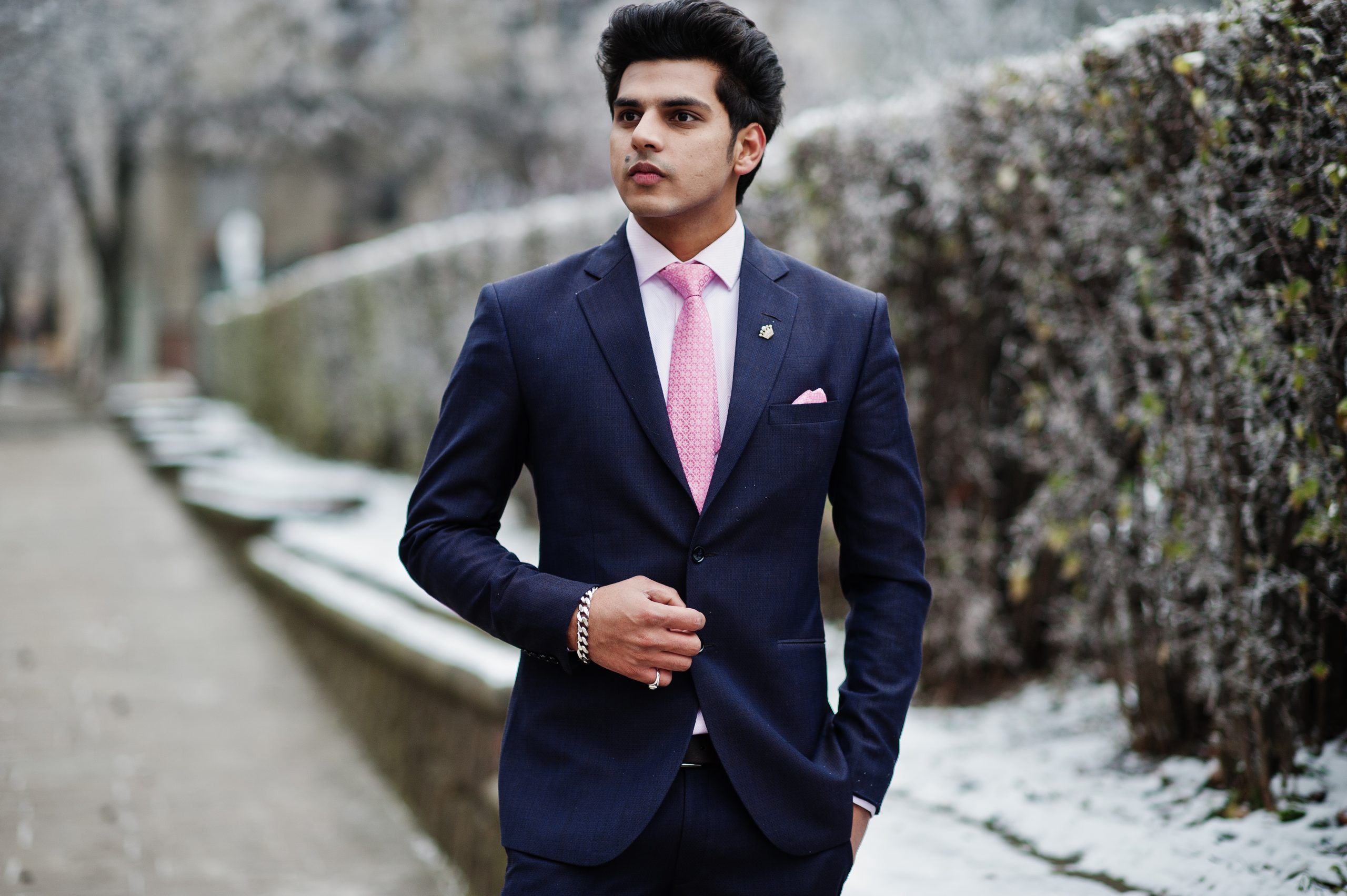
Men’s formal attire has traditionally been associated with refinement, professionalism, and grace. The appropriate attire may leave a lasting impression at formal parties, corporate events, weddings, and business meetings. Classic formal wear retains its allure with well-tailored details, polished accessories, and rigid tailoring, even if fashion trends may change over time. It is easier to create a look that is acceptable for the occasion and elegant when one is aware of the essential elements of men’s formal clothing.
The Traditional Suit: The Basis of Formal Dress
The mainstay of men’s formal attire is still the suit. A well-fitting suit usually comes in three pieces: a jacket or blazer, matching pants, and often a waistcoat. For formal events, traditional hues like charcoal gray, navy blue, and black are often used because they project a polished and authoritative image. Subtle patterns like checks or pinstripes may also be seen in modern suits, which bring flair without sacrificing formality.
Formal Shirts: Stylish and Harmonious
A well-balanced and professional appearance requires a formal dress shirt. Formal shirts are often constructed from premium cotton or mixed materials and are designed to provide comfort and structure. White is perhaps the most traditional and adaptable color, but pale blue, gray, and gentle pastels are all good choices. Formal shirts often have wide collars and French cuffs, which provide a setting for chic neckties and cufflinks.
Bowties & Ties: Enhancing the Group
Without a bowtie or necktie, no formal ensemble is complete. These accessories show attention to detail in addition to adding color and texture to the outfit. Depending on the occasion, ties should have silk textures, solid colors, or delicate designs. A black bowtie and tuxedo are the usual for very formal events, such black-tie parties.
Footwear: The Last Bit of Style
Men’s formal footwear is an essential part of the ensemble and has to match its level of sophistication. Preferred options include traditional leather oxfords or brogues in brown or black, which provide comfort and classic style. To match the rest of the outfit, formal footwear should always be well-maintained, clean, and polished. The seamless look is further enhanced by wearing the appropriate socks, ideally in dark or complementary hues.
Accessories: Understated Style Statements
When wearing formal attire, accessories should be simple yet effective. An elegant and well-coordinated style may be achieved with a wristwatch with a leather band, gold or silver cufflinks, a pocket square, and a tie clip. A classic scent and a belt that matches the color of the shoes complete the ensemble for sophisticated evening gatherings. Selecting accessories that complement the overall look without overwhelming it is crucial.
Formal Dressing for Certain Occasions
Formal attire may need to be somewhat modified for various events. It’s best to wear a basic suit and tie to business meetings. A tuxedo with a bowtie and patent leather shoes lends a touch of formality to weddings and other high-end occasions. Dress standards for religious or cultural celebrations may also include traditional stoles or turbans, or they may include ethnic formal attire.
In conclusion, have faith in every stitch.
Wearing a suit is just one aspect of men’s formal attire; another is projecting poise, confidence, and regard for the situation. Each component of formal attire, when carefully selected, combines to provide a polished, fashionable, and dignified appearance. Any guy may become an expert at formal attire and leave a lasting impression wherever he goes if he pays attention to fit, materials, and accessories.