
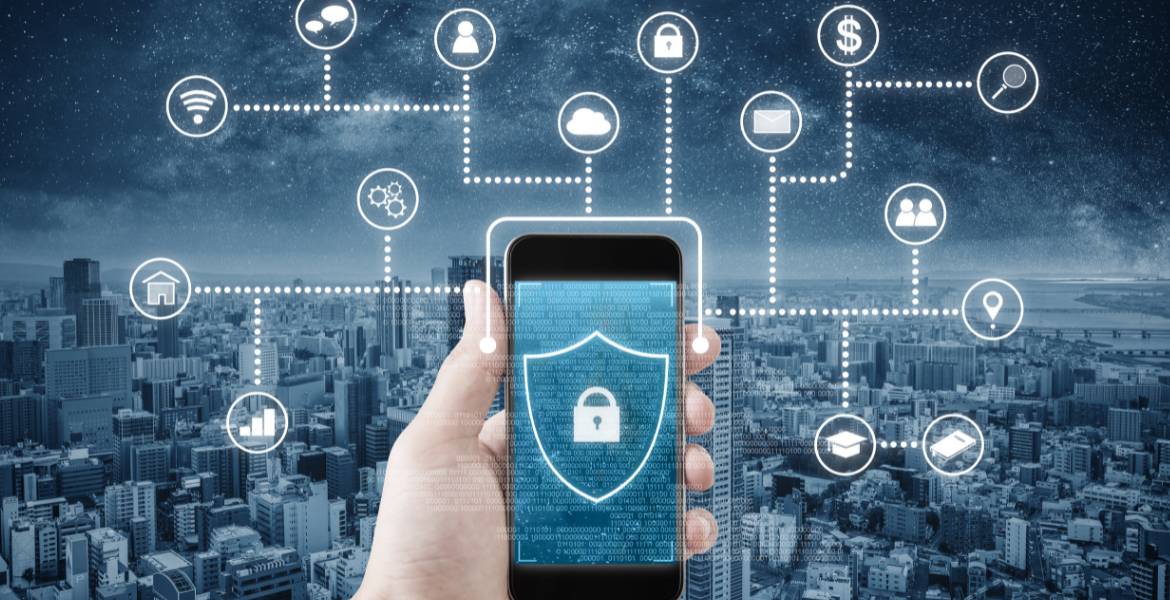
Most of us are living in a hyper-connected world right now, and our smartphone has become an extension of us digitally. We save our personal images, banking files, work files, and all memories in these hand-held computers. Nevertheless, mobile security is an afterthought to many people despite its relevance. The truth of the matter is this: mobile devices are under permanent threats of attack by cybercriminals, maliciously designed apps, and advanced forms of attacks. Mobile threat defense has become a hot topic, and it is imperative to become more educated to keep our digital lives safe and our privacy intact in a rather vulnerable environment.
-
The Rising Storm of Mobile Cyber Attacks
Mobile cyber attacks have become a growing phenomenon over the past few years, with hackers demonstrating a more intense attack than ever on smartphones and tablets. The mobile devices are more vulnerable to cybercrimes because they tend to have more lax security levels as compared to the traditional computers, which is what the cybercriminals understand. Whether it is a banking trojan or specifically designed ransomware, the threats are getting diverse and advanced. Such attacks have the capacity to steal inside details, clean bank accounts, or even spy by using cameras and microphones.
-
Malicious Apps: Wolves in Sheep’s Clothing
One of the threats affecting the mobile user is malicious applications. Malicious software normally masquerades as genuine apps or games or utilities so that the user is fooled into downloading them. After installation, they are able to access sensitive data, send premium text messages, or set backdoors to continue attacks. Although app stores place security checks, there are times when these malicious programs are found on the store before they can be detected and eliminated.
-
When Your Data Becomes Their Treasure
The breaches that are made through mobile devices may be disastrous both to individuals and to organizations. Individual data such as contact details, photos, texts, and geographical locations become useful currency to the cyber thief. This base, which is stolen data, could be sold off on the dark web markets, used for identity theft, or utilized in specific phishing attacks. Significant sources of information include financial data available in the mobile banking application or digital wallet that can directly open the way to stealing money.
-
Phishing: The Art of Digital Deception
The mobile phishing attacks also have breached the conventional boundaries of the phishing, and they are more advanced and intricate to trace. Mobile communication tools (text messages, emails, and social media), are the platforms that cybercriminals use to lure unsuspecting users into giving out sensitive information or clicking malicious links.URLs cannot be scrutinized effectively on mobile screens, and the time pressure that might be involved in mobile communication is a reason why erroneous choices might be made in a rush. Such attacks usually pose as recognizable brands, banks, or governments to bring falseness to legitimacy. The spear-phishing campaign involves an attack on a victim so that the attacker can use the victim being targeted through personal information obtained via social media or prior breaches or the like. Mobile phishing attacks are becoming increasingly successful with the improvement in the method used by the attackers and the psychological factors manipulated by them.
-
Network Vulnerabilities: The Invisible Dangers
Unsecured connections and networks such as Wi-Fi pose great risks to users of mobile devices. Data relayed through the networks can easily be intercepted by hackers, giving them access to passwords, personal information, and highly sensitive communications. Man-in-the-middle attacks enable criminals to find a position between the users and legitimate sites and steal information without being noticed. Evil twins, also known as fake Wi-Fi hotspots, are used to connect users to rogue networks that seem genuine except they are malicious. Cellular networks are no exception, as attackers will intercept communications by sending their specialized equipment and crippling the network. Such threats that use networks need individuals to pay great attention to the connection options and take safeguarding measures to connect to the sensitive information.
-
Device Theft: When Physical Security Fails
Stealing physical devices is a major step in mobile security threats because it poses an actual threat of data being exposed and misused. The phones and tablets that are stolen enable the criminals to gain access to the passwords that are stored, personal pictures, financial applications, and other important communication. Even the screen-locked devices may be susceptible to high-technology forensics tools or social engineering attacks on the service provider. The damage flows not only in terms of the value of the device but also to encompass possible identity theft, financial fraud, and invasion of privacy.
-
Building Your Digital Fortress
To enable efficient mobile threat defense, the combination of technology, awareness, and best practices approach is important. The powerful authentication tools and measures, such as biometric locks and tricky passwords on important applications, must be adopted by the users. The periodic software upgrades fix the security gaps and also offer greater protection against new threats. Selecting the apps carefully, controlling access to download the apps, and not using illegal app stores limit the contact with dangerous software. Network-based attacks, which include avoidance of public Wi-Fi when engaging in sensitive data, will be improved through network security practices including VPN.
-
The Price of Ignoring Mobile Security
The fallout of poor mobile security is also well beyond annoying inconvenience, but instead it has a touch of ripple effects on personal, career, and financial lives. It may even lead to years of resolution of identity theft that is caused by breached mobile devices, and this could necessitate a major drain of time and resources. Having an account used in mobile banking fraud or making unauthorized purchases can be expensive and not easy to get back. Personal gadgets used to conduct business exert their toll on professional reputations in case of the working data compromise. Emotional pressure, as well as anxiety, after suffering a security breach may influence mental health and relations with individuals.
Conclusion
Mobile threat defense is not a luxury; it is the stock-in-trade of anyone who uses smartphones and tablets, at least in their day-to-day life. These threats are very real and ever-changing and can attack anybody irrespective of his or her level of technical knowledge and social status. Proactively ensuring the security of mobile devices, with advanced solutions like doverunner, is not just a measure to safeguard individuals but also the families, employers, and communities of a person against the ripple effects of cyberattacks over a prolonged period of time.